
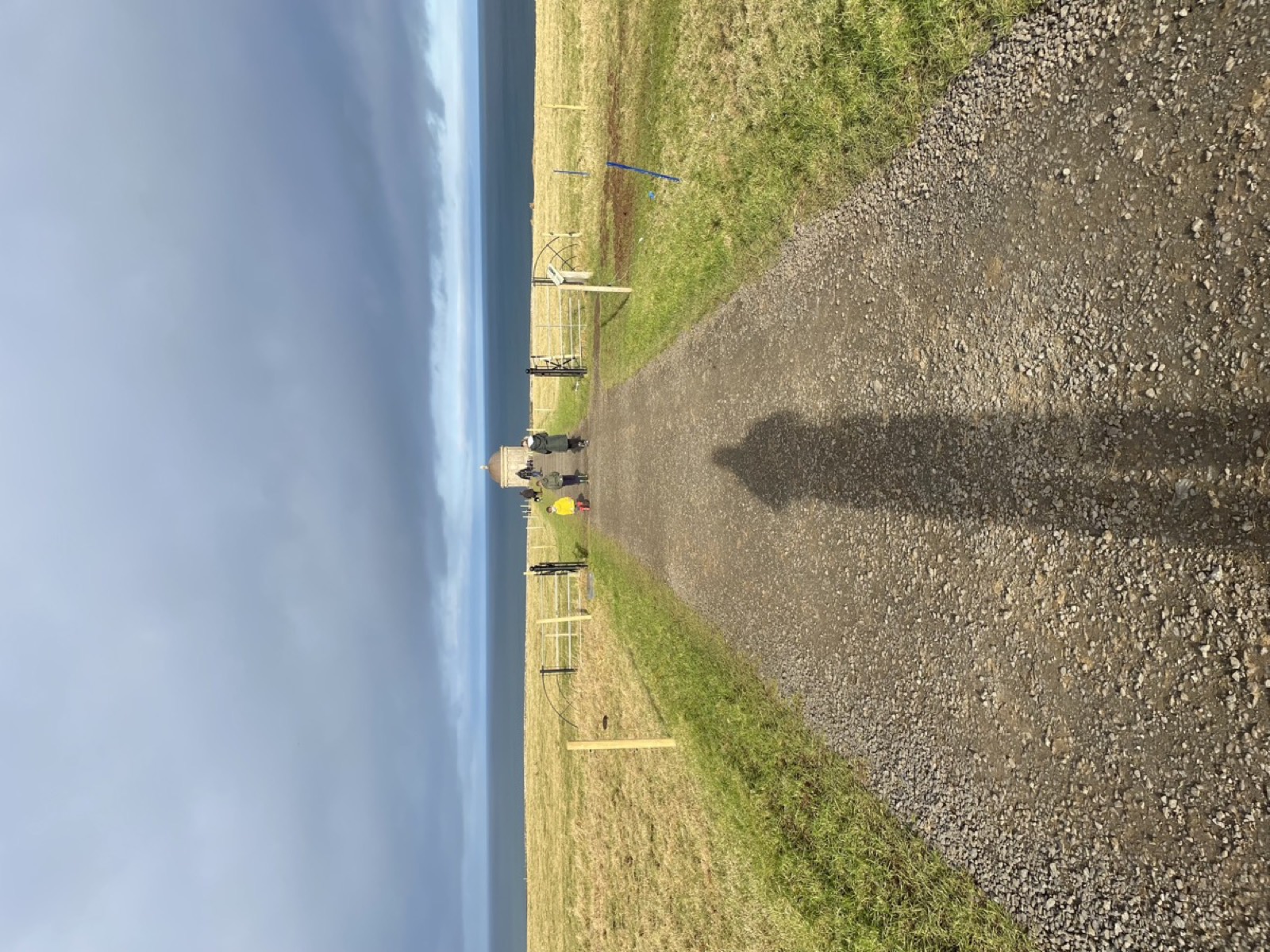
Further west along the coast toward Derry~Londonderry, past Portstewart and Castlerock, Mussenden Temple sits on a clifftop above the Atlantic — a small, perfectly circular stone rotunda that looks more like it belongs in the Italian countryside than the north Antrim coast. That’s not an accident.
History
The temple was built in 1785 by Frederick Hervey, 4th Earl of Bristol and Bishop of Derry — known locally as the “Earl Bishop,” a genuinely eccentric aristocrat who spent much of his life on Grand Tours of Europe. Modelled on the Temple of Vesta at Tivoli, near Rome, it was originally built as a library. Hervey reportedly wanted to have an actual historic Italian temple dismantled and shipped to Downhill to rebuild — a plan the Pope put a stop to — so he had this one built instead.
The temple is dedicated to Hervey’s cousin, Frideswide Mussenden, who died in 1785 at just 22 — before the building was finished. What was intended as a retreat for her became her memorial instead.
Downhill Demesne
The temple is the standout feature of Downhill Demesne, the Earl Bishop’s dramatic clifftop estate — the ruined shell of Downhill House itself still stands nearby, roofless and hollow but genuinely striking against the coastal landscape, along with formal gardens and walking trails across the grounds.
Visiting
The whole site — temple, ruined house, and grounds — is managed by the National Trust and open to the public year-round, free to walk the grounds (National Trust members and non-members alike, since it’s an open estate rather than a ticketed building). The temple itself sits right at the cliff edge — genuinely close enough that coastal erosion is a long-term concern for the site, so stick to the marked paths and any barriers in place.
Getting there: Mussenden Temple is near Castlerock, a scenic stretch further along the coast past Portstewart — a longer detour from the Giant’s Causeway than Dunluce or Ballintoy, but a natural stop if you’re continuing on toward Derry~Londonderry rather than doubling back.